


Lack of approved vaccines or therapies for rare Bundibugyo strain complicates response to history’s second-largest outbreak
KINSHASA / NAIROBI — September 2, 2026 : More than 3,000 people have died in the Democratic Republic of Congo from a rapid Ebola outbreak driven by a rare viral strain that has no approved vaccine or treatment, public health authorities reported on Wednesday.
Data released by Congolese health authorities put the confirmed death toll at 3,007, marking a grim threshold in an epidemic that epidemiologists now rank as the second-largest and fastest-moving in history.
Laboratory sequencing confirms the outbreak is propelled by the Bundibugyo species of the Ebola virus. Unlike the more common Zaire ebolavirus—against which international health agencies successfully deployed licensed vaccines and monoclonal antibody therapies in previous crises—the Bundibugyo variant has no clinically approved preventive inoculations or targeted antiviral therapies.

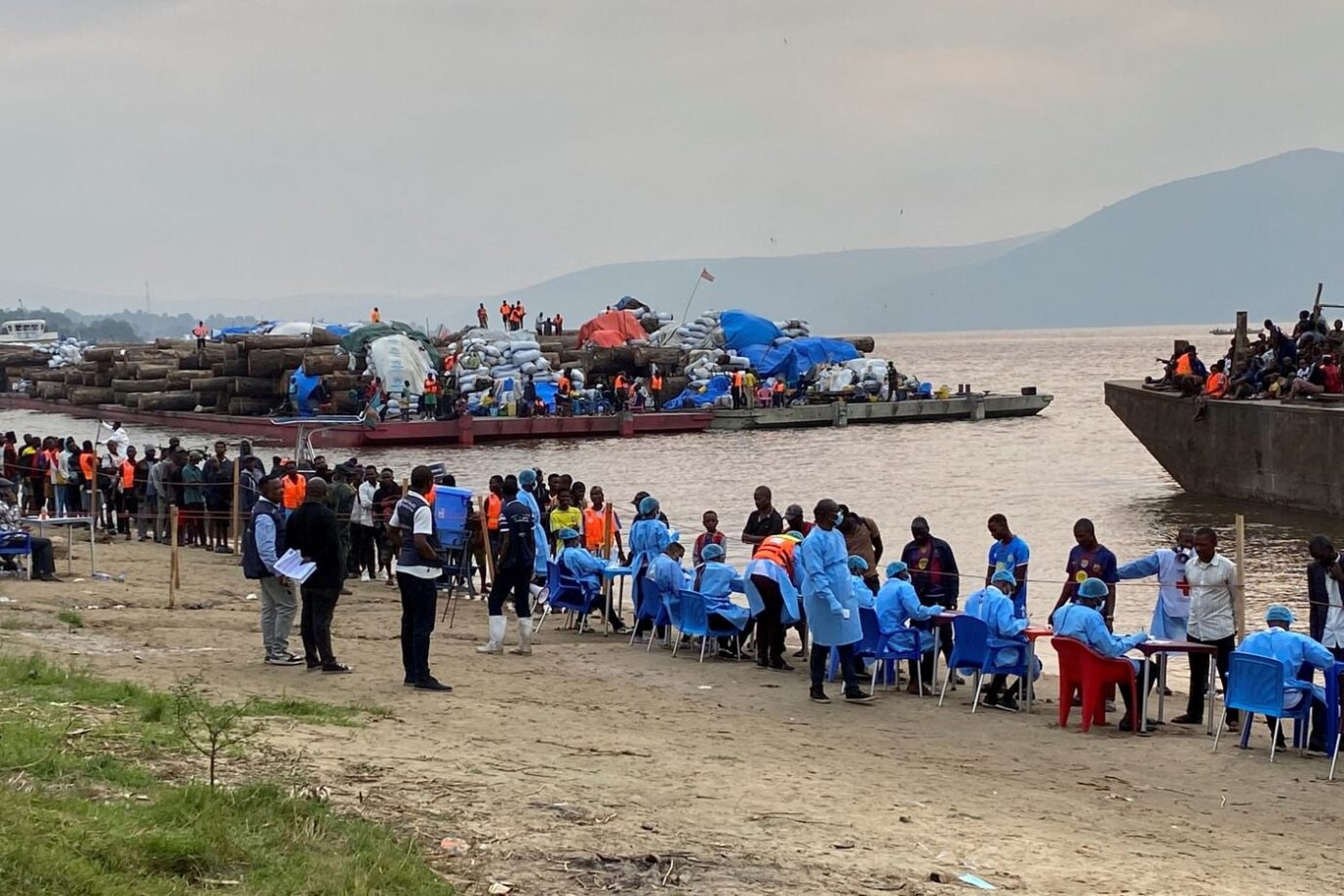
Health teams on the ground are relying primarily on supportive care, including intravenous hydration, symptom management, and aggressive contact tracing to stem transmission. Community isolation facilities have come under intense pressure across eastern provinces, where remote topography and active local displacement make systematic containment difficult.
First identified in Uganda’s Bundibugyo district in 2007, the strain has historically exhibited lower fatality rates than the Zaire strain, which killed more than 11,300 people across West Africa between 2013 and 2016. The current epidemic’s rapid expansion and high casualty count have stretched domestic resources, prompting health officials to accelerate trial protocols for experimental candidate therapeutics.
Mobile testing units and triage centers are expanding surveillance across bordering health zones to keep the pathogen from spreading into neighboring Great Lakes territories. International relief agencies and the World Health Organization continue coordinating emergency logistics, focusing on infection prevention, barrier nursing protocols, and community engagement.