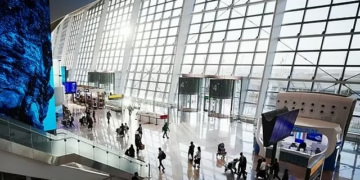


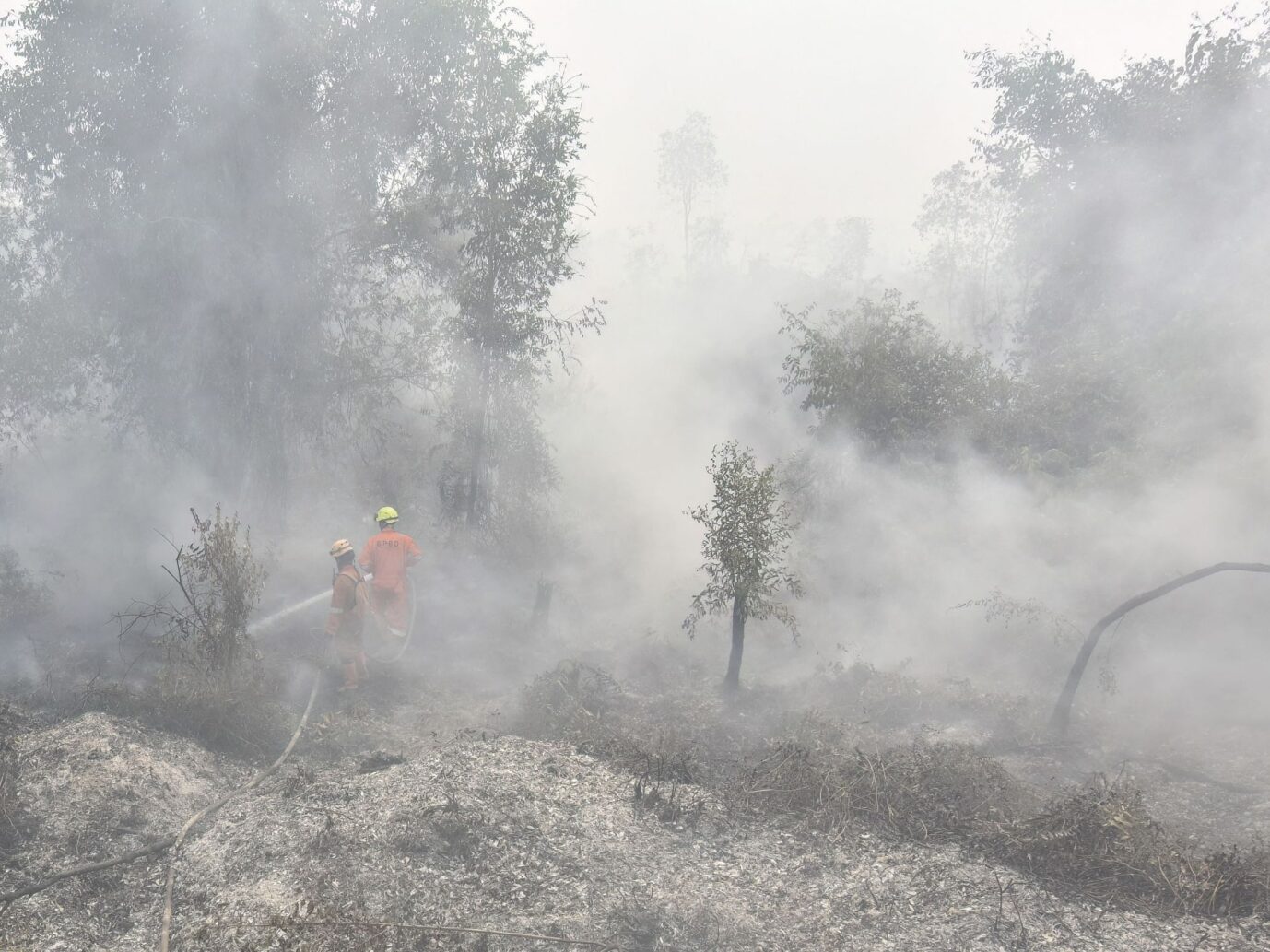
Thick haze slashes airport visibility across Borneo, prompting aviation authorities to enforce safety delays and diversions.
JAKARTA, Indonesia : Thick smoke from sweeping wildfires across Kalimantan has disrupted more than 400 domestic flights, prompting Indonesian civil aviation authorities to enforce strict operational limits at regional airports as visibility drops sharply.
Severe haze caused by forest and land fires across the Indonesian territory of Kalimantan disrupted 409 passenger and cargo flights between September 14 and September 20, the Directorate General of Civil Aviation confirmed.
Runway visibility at several regional airports plummeted to levels well below standard visual approach thresholds, forcing flight crews to delay departures, enter holding patterns, or divert to alternate airports in Java and Sulawesi.

Director General of Indonesian Air Transportation Lukman F. Laisa stated that air operators and air traffic controllers have been instructed to prioritize passenger safety above on-time performance.
“Flight safety remains the top priority,” Laisa told reporters in Jakarta. “Under these conditions, safety remains the main consideration in every operational flight decision.”
Regional aviation units, airport operators, and state air traffic agency AirNav Indonesia have established continuous monitoring desks to assess localized smog density. Standard operating procedures in the affected hubs require regular visibility assessments before clearing aircraft for taxi, takeoff, or landing.
Seasonal fires—often triggered by dry conditions compounded by slash-and-burn agricultural clearances—frequently blanket parts of Sumatra and Borneo in toxic, low-lying smog. The resulting haze presents significant challenges for aviation, cloaking approach paths and reducing the effectiveness of ground visual aids.
The Directorate General of Air Transportation confirmed that round-the-clock coordination with meteorological officials and airline ground managers will continue until rainfall clears the airspace and ground-level visibility stabilizes.