


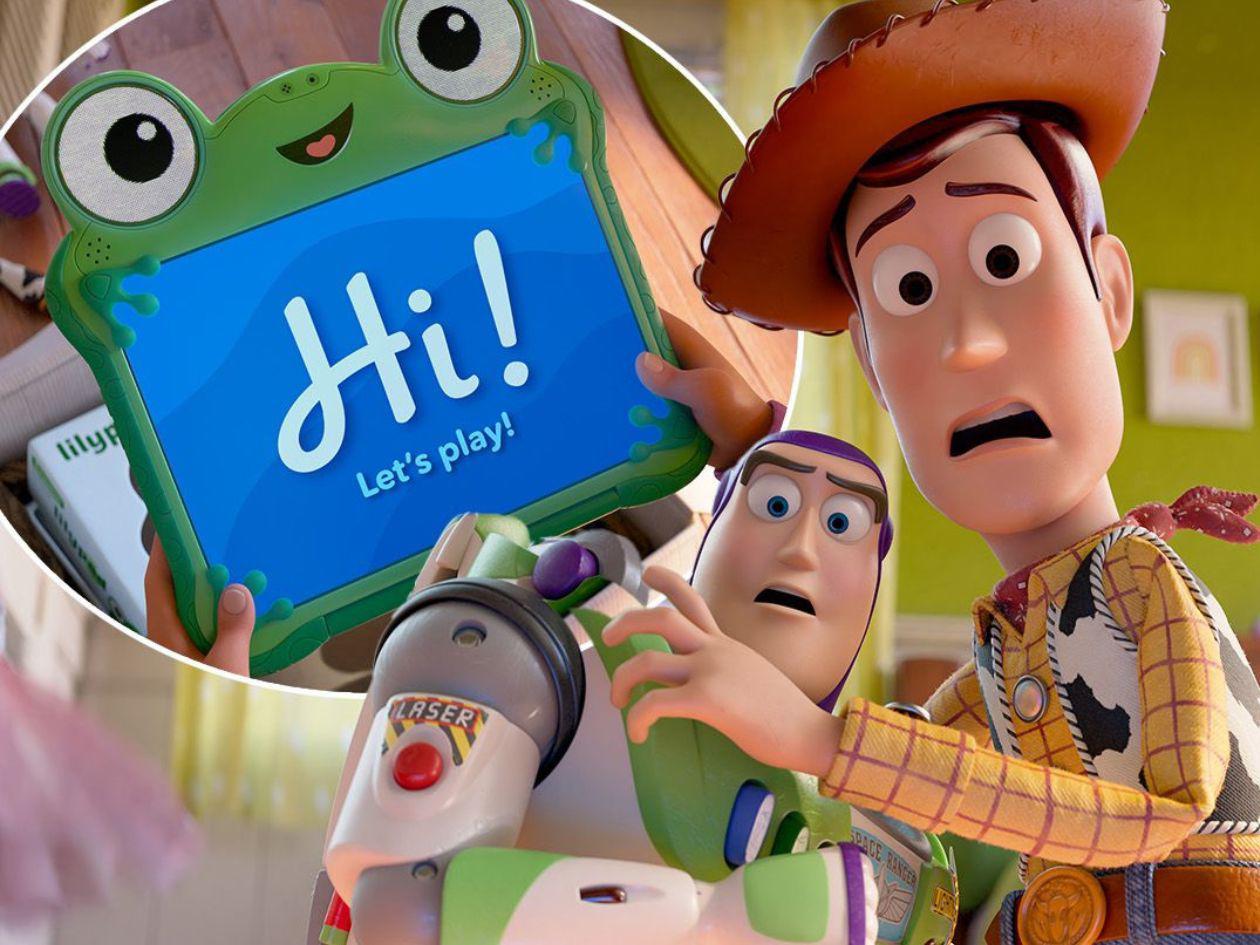
Pixar pits Woody, Buzz, and Jessie against tablet obsession, tapping into real-world family anxieties over screen time and lost human connection.
LOS ANGELES : When Pixar Animation Studios returned to its flagship franchise with Toy Story 5, director Andrew Stanton moved the narrative battleground away from playground bullies and yard sales to confront an everyday reality in modern homes: children abandoning traditional toys for glowing screens.
The fifth installment of the three-decade-old animated series confronts an existential crisis for toys and parents alike. Instead of competing against shiny action figures or antique collectors, Woody, Buzz Lightyear, and cowgirl Jessie find themselves sidelined by “Lilypad,” a child-friendly tablet computer that commands the undivided attention of their young owner, Bonnie.
The premise directly mirrors global parenting trends over the past decade. Public health organizations and pediatricians have consistently raised alarms regarding soaring screen usage among preschool and elementary-age children. Handheld electronics, interactive gaming apps, and algorithmic video feeds have largely replaced physical toys and unstructured imaginative play in family living rooms.

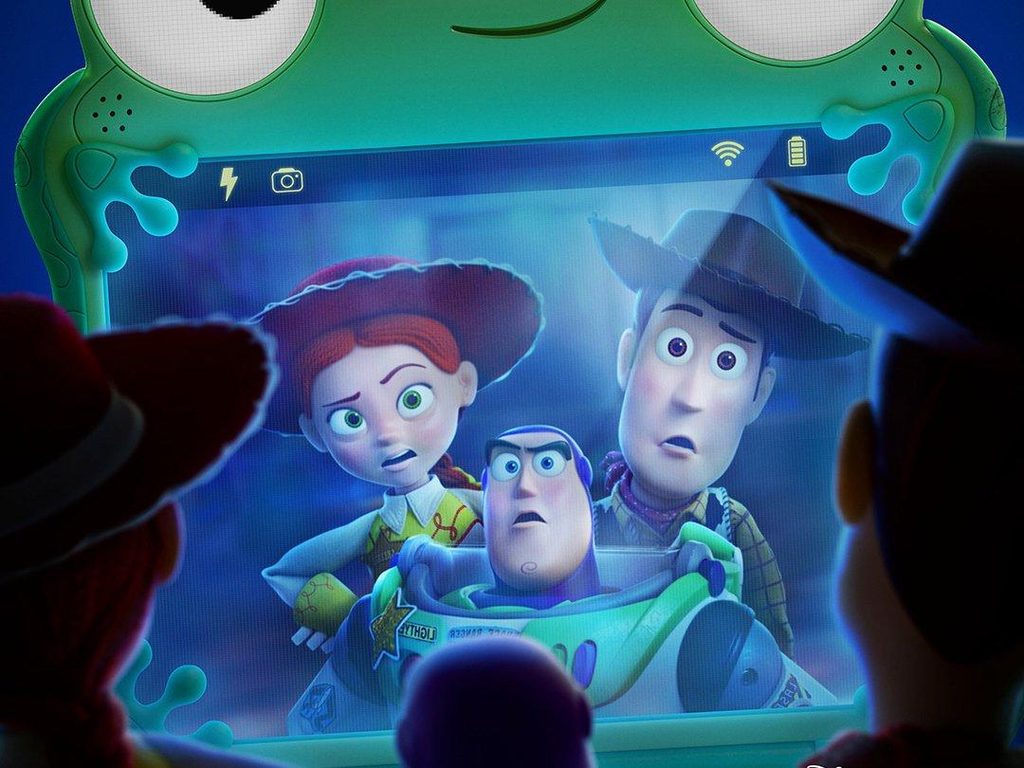
Pixar’s storytellers leverage that tension to explore the deeper emotional cost of digital dependency. Traditional physical play requires active invention; a child must imagine a rocket launch, voice dialogue, and orchestrate pretend dramas. In contrast, digital interfaces deliver pre-packaged stimulation, visual fireworks, and immediate dopamine loops that leave little room for independent daydreaming.
Beyond childhood development, the film’s central narrative carries an allegorical weight for adult audiences navigating the rise of artificial intelligence and automation. The toys’ dread of obsolescence reflects a broader societal anxiety: the uneasy feeling that human labor, creative agency, and genuine personal bonds are being devalued by automated, algorithmic alternatives.
Woody and his companions have long stood as symbols of unconditional loyalty and emotional grounding. By pitting tangible playthings against digital hardware, the production examines whether digital devices, for all their convenience, can truly replicate the empathy forged through physical interactions and long-term companionship.
As tech devices dominate daily life, the underlying message of Toy Story 5 avoids outright technophobia. Instead, it frames technology as a tool that risks overwhelming childhood when left unmanaged. The film suggests that while digital devices offer novelty and efficiency, they cannot replace the foundational human need for presence, community, and enduring friendship.