

Maritime security agencies report four incidents off Oman within 52 hours as commercial traffic through the vital waterway drops sharply.
DUBAI, United Arab Emirates — Commercial shipping faces intensifying security threats around the Strait of Hormuz following a surge in attacks, attempted boardings, and military surveillance linked to Iran, according to an assessment released by the Joint Maritime Information Centre (JMIC) and distributed by the United Kingdom Maritime Trade Operations (UKMTO).
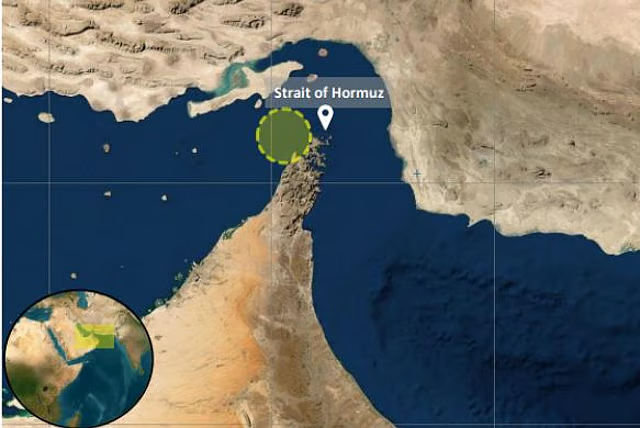
The advisory, designated Update 111 and dated November 5, recorded four attacks within the strait across a 96-hour period, up from three in the previous reporting cycle. All four incidents occurred within roughly 52 hours between November 1 and November 3 off the Musandam coast of Oman.
Islamic Revolutionary Guard Corps (IRGC) forces continued operations involving unmanned aerial vehicle (UAV) overflights, targeted surveillance, and direct radio hailing of merchant vessels on very high frequency (VHF) channels. JMIC assessed that these actions reflect Tehran’s intent to project power over critical transit chokepoints and sustain operational pressure on international commercial navigation.

Hostile maritime activity also extended across the Arabian Gulf, which recorded two attacks during the same timeframe, raising the total number of regional incidents to eight since October 7. One documented incident, catalogued as UKMTO 196-26, occurred in the central Gulf north of Qatar. Commercial vessels continue moving across Gulf waters, though congestion at key anchorage areas remains elevated.
Traffic volumes across the Strait of Hormuz remain substantially reduced compared to the 2025 baseline. Independent tracking indicates daily movements hovering between single-digit and low-double-digit transits, reflecting sustained caution among global shipping operators navigating heightened risks.
Naval Cooperation and Guidance for Shipping (NCAGS) figures confirmed an average of 31 US-assisted transits per day during the reporting period, down slightly from 34 daily transits logged between October 24 and October 30. While US naval facilitation maintains steady escort numbers, independent merchant shipping activity remains depressed.
The Gulf of Oman reported no confirmed strikes, though naval patrols remain concentrated due to the enforcement of the US maritime blockade. Figures released on November 1 by US Central Command (CENTCOM) confirmed that 144 commercial vessels have been redirected, four disabled during blockade enforcement operations, and two boarded for compliance inspections. No new enforcement actions occurred in the latest 96-hour window.
Maritime authorities advised all vessels navigating the corridor to respond promptly to military hailing and maintain active Automatic Identification System (AIS) transmissions unless security risks dictate otherwise.
Prolonged friction across the Strait of Hormuz continues to complicate marine insurance coverage, commercial routing, and bulk energy distribution, threatening higher freight rates and oil market volatility for import-dependent economies.