

A fresh agreement signed in Abu Dhabi expands support for high-impact research in artificial intelligence, quantum computing, and assistive robotics across seven nations.
ABU DHABI — October 15, 2026 :Eleven young innovators from seven Arab countries have secured a combined $150,000 in development grants through a joint initiative by the Arab Youth Center and General Motors, funding projects that range from assistive robotics to generative artificial intelligence.
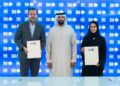
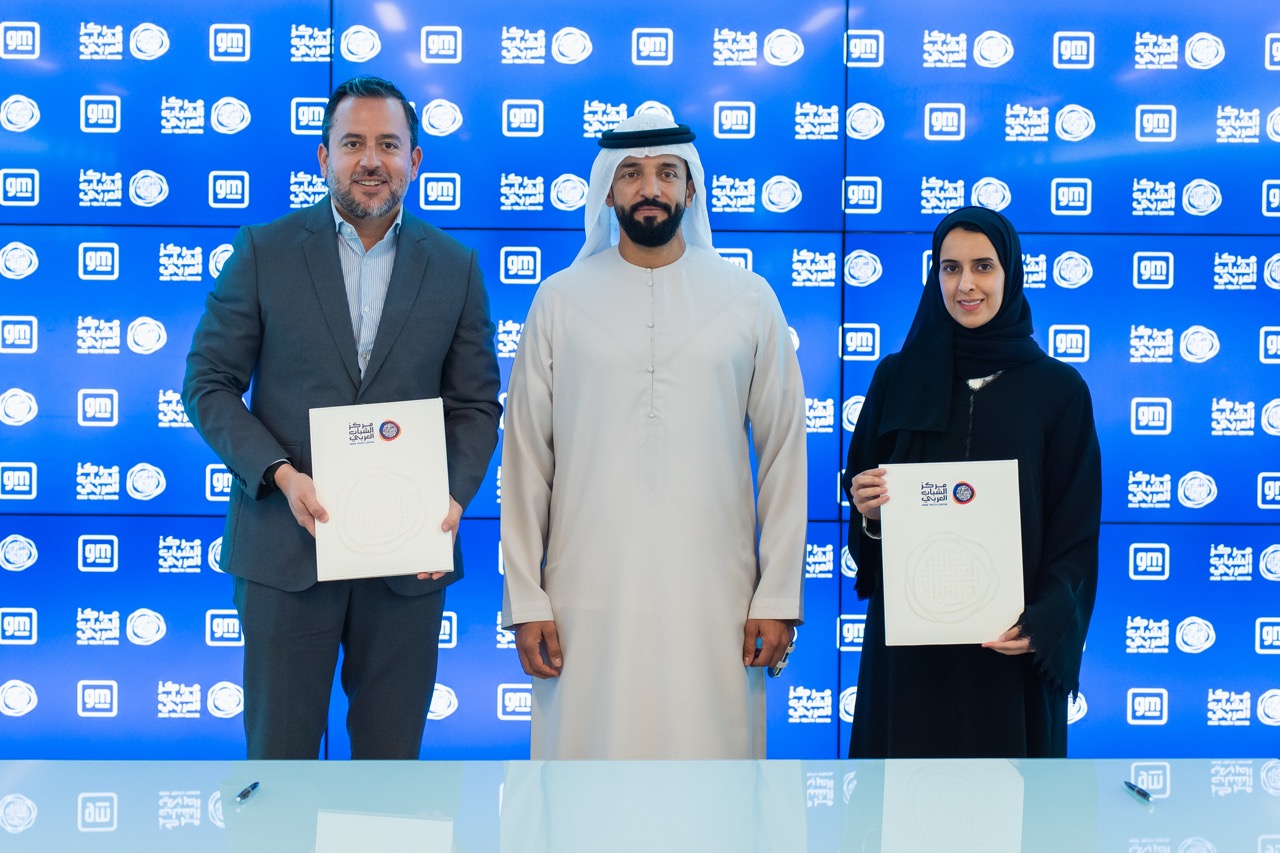
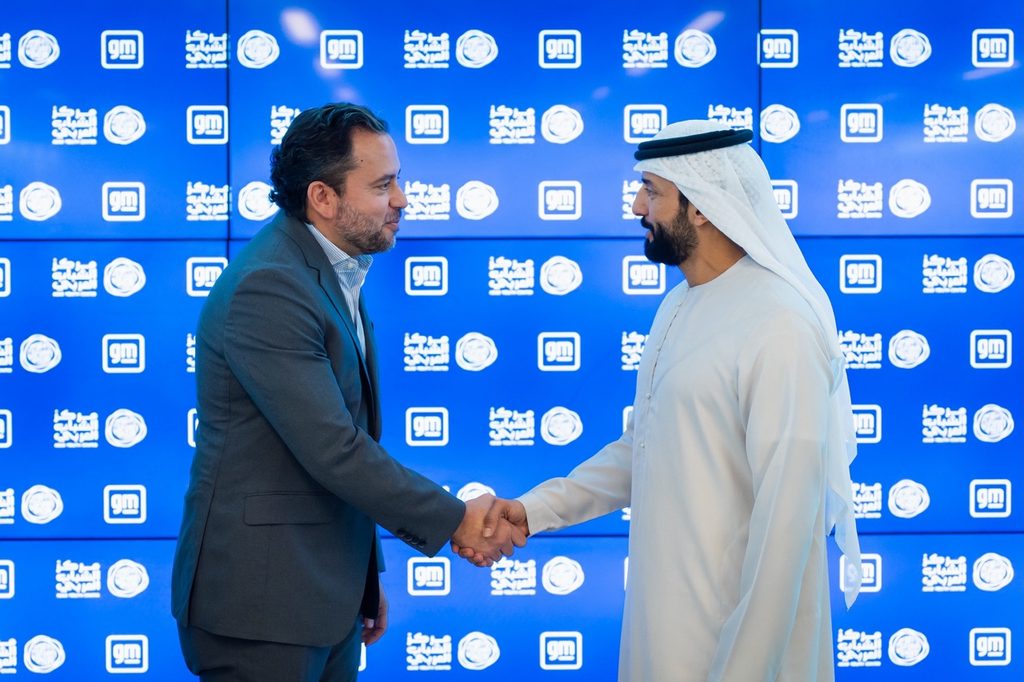
The funding round coincides with a renewed memorandum of understanding signed in Abu Dhabi, expanding a five-year alliance between the regional youth development body and the American automaker. The agreement targets skills training, industrial mentorship, and technical resource access for founders operating across high-barrier sectors.
Selected through the Young Arab Pioneers initiative, the recipients represent the United Arab Emirates, Saudi Arabia, Egypt, Iraq, Jordan, Algeria, and Syria. Their ventures span deep-tech and social infrastructure, covering quantum computing, augmented reality defence simulation, electric vehicle systems, and technical education.

“The true value of partnerships lies in their ability to shorten the distance between talent and opportunity,” said Eng. Fatima Al Hallami, Executive Director of the Arab Youth Center. She noted that sustained collaboration with multinational corporations equips local inventors with the sector-specific expertise and networks necessary to scale ventures beyond domestic borders.
The cohort reflects a strong emphasis on practical computational tools and frontier science. Among the grant recipients is Kareem Ayyad, creator of the Arabic generative AI platform ai.Uktob, which currently serves more than 400,000 users. In Algeria, Yousra Farhani received backing for ongoing research into quantum computing frameworks, while Emirati developer Rashid Ahmad Al Salmi secured funding for electric mobility architecture. Akram Amir, founder of AR Engineering, is deploying digital twin systems and augmented reality to streamline immersive defence training environments.
In the medical sphere, biomedical engineers Nisreen Almadi and Hekma Jabouli were awarded capital to advance work on custom prosthetics and motorized exoskeletons, targeted at helping individuals with mobility impairments regain independent movement.
Other components of the grant focus on scalable education models and employment pipelines:
- EdTech & Coding: Mohamed Gawish, founder of iSchool, is using the funding to expand programming, data science, and AI curricula for school-age students across the Middle East and North Africa.
- Workforce Inclusion: Egyptian social entrepreneur Hadeer Shalaby, whose programs have trained 350,000 women and youth and supported roughly 10,000 regional jobs, will scale local capacity-building workshops.
- Venture Building: Syrian founder Ahmed Bayram received support to back refugee-led startups via Blackbox and Bridges for Entrepreneurship, while Mohammed Saud Al-Otaibi is expanding peer mentorship platform Wathba in Saudi Arabia.
- Cultural Preservation: Sharifah Alhinai will further digitize and curate regional work through Sekka and the Khaleeji Art Museum.
The grant program ties into General Motors’ operational centenary across Africa and the Middle East. Jorge Plata, President and Managing Director of General Motors Africa and Middle East, confirmed that direct investments in home-grown engineering and applied sciences remain central to regional workforce diversification strategies.
“Our $150,000 contribution is driven by our belief in investing in solutions that deliver measurable impact across technology, mobility, education, and healthcare,” Plata said.
Since establishing their partnership in 2021, the Arab Youth Center and GM have delivered technical webinars, industrial manufacturing workshops, and executive mentoring sessions designed to transition regional STEM graduates from foundational research into commercial deployment.