


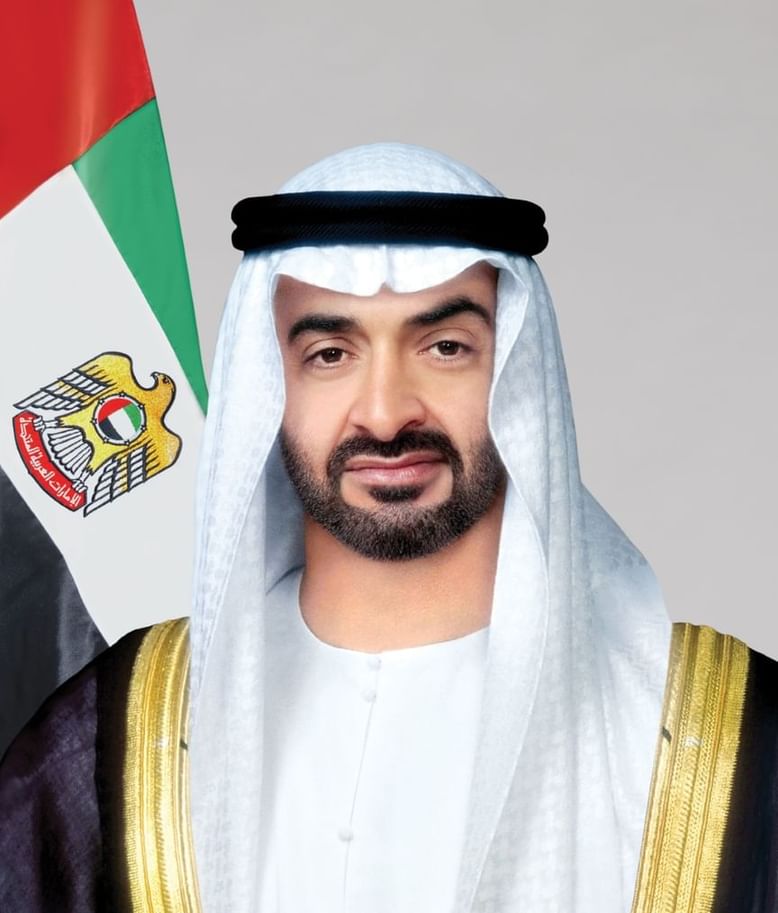
The United Arab Emirates has extended support to the World Health Organization to strengthen international efforts aimed at containing the Ebola outbreak in Africa, following directives from UAE President His Highness Sheikh Mohamed bin Zayed Al Nahyan.
The assistance was provided through the UAE Aid Agency as part of the country’s ongoing humanitarian and global health initiatives.
Sheikh Shakhbout bin Nahyan Al Nahyan reaffirmed the UAE’s commitment to delivering urgent humanitarian support to mitigate the impact of crises, disasters, and disease outbreaks worldwide.

“The UAE is determined to extend its support in combating diseases and epidemics that threaten humanity anywhere, in coordination with governments, international organisations, and relevant regional institutions,” he said.
Sheikh Shakhbout highlighted growing concerns over the spread of the Bundibugyo strain of the Ebola virus, citing reports and data from the World Health Organization that underscore the seriousness of the outbreak and the need for intensified international action.
He noted that the UAE is working closely with governments and United Nations agencies to help prevent further transmission of the disease across affected regions in Africa.
The minister also stressed that the UAE continues to provide comprehensive healthcare assistance to impacted communities through the delivery of medical aid, approved vaccines, essential medicines, and support for treatment centres in cooperation with international and local partners.
Meanwhile, Tedros Adhanom Ghebreyesus recently warned that the Ebola outbreak in the Democratic Republic of the Congo remains difficult to contain.
He pointed to several challenges, including difficulties in isolating infected individuals and monitoring their contacts, emphasising that achieving at least 90 percent isolation of confirmed cases is critical to stopping further transmission.
The UAE’s latest contribution reflects its longstanding commitment to global humanitarian action and international health cooperation, particularly in responding to emergencies that threaten vulnerable populations.