


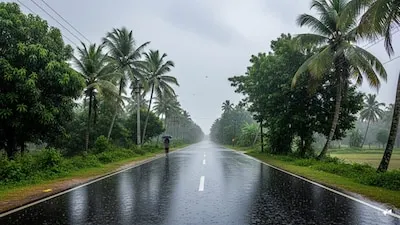
Climate experts warn of severe heatwaves and unpredictable, torrential rainfall in the coming months.
DUBAI: A powerful El Niño phenomenon is looming on the horizon, threatening to disrupt global weather patterns and trigger extreme climatic shifts. Meteorological agencies have issued urgent advisories predicting a period of intense heatwaves followed by unseasonal, torrential rainfall. The impending climate shift is expected to significantly impact both the Gulf region and Kerala, prompting authorities to review disaster preparedness strategies.
The El Niño phenomenon, characterized by the unusual warming of surface waters in the eastern Pacific Ocean, historically alters wind patterns and triggers climate anomalies across continents. This year, experts warn that the transition could be particularly severe, leading to record-breaking summer temperatures in some regions and unprecedented deluge in others.
Dual Impact: From Scorching Heat to Heavy Rain
For the Gulf cooperation council (GCC) countries, El Niño typically translates to an intensification of the already harsh summer. Temperatures are projected to soar above average thresholds, increasing the risk of heat exhaustion and putting a massive strain on energy grids due to air conditioning demands.

Conversely, the phenomenon is also known to trigger sudden, atmospheric instabilities. This raises the probability of flash floods and heavy, erratic downpours in arid regions unprepared for high volumes of water—a pattern that has increasingly concerned urban planners in major Gulf cities.
Implications for Kerala and the Diaspora
The impact of El Niño heavily reverberates across the Arabian Sea to Kerala. While it often disrupts the traditional monsoon timeline—sometimes causing initial deficits—it equally heightens the risk of extreme weather events, including localized cloudbursts and severe flooding.
For the millions of non-resident Keralites (NRKs) living in the Gulf, this dual threat hits close to home. Families back in Kerala face the unpredictability of agricultural impacts and potential flood risks, while the diaspora itself must navigate the immediate challenges of extreme heat and erratic weather in their host countries.
Preparedness and Safety Measures
Health and environmental authorities across the Middle East have started issuing guidelines to mitigate the risks. Residents are advised to:
- Avoid direct sunlight during peak afternoon hours.
- Ensure adequate hydration to combat heat-related illnesses.
- Stay updated with official meteorological bulletins regarding sudden weather shifts or rain alerts.
As the climate model evolves, regional governments are closely monitoring the situation to ensure infrastructure resilience against both extreme heatwaves and sudden floods.